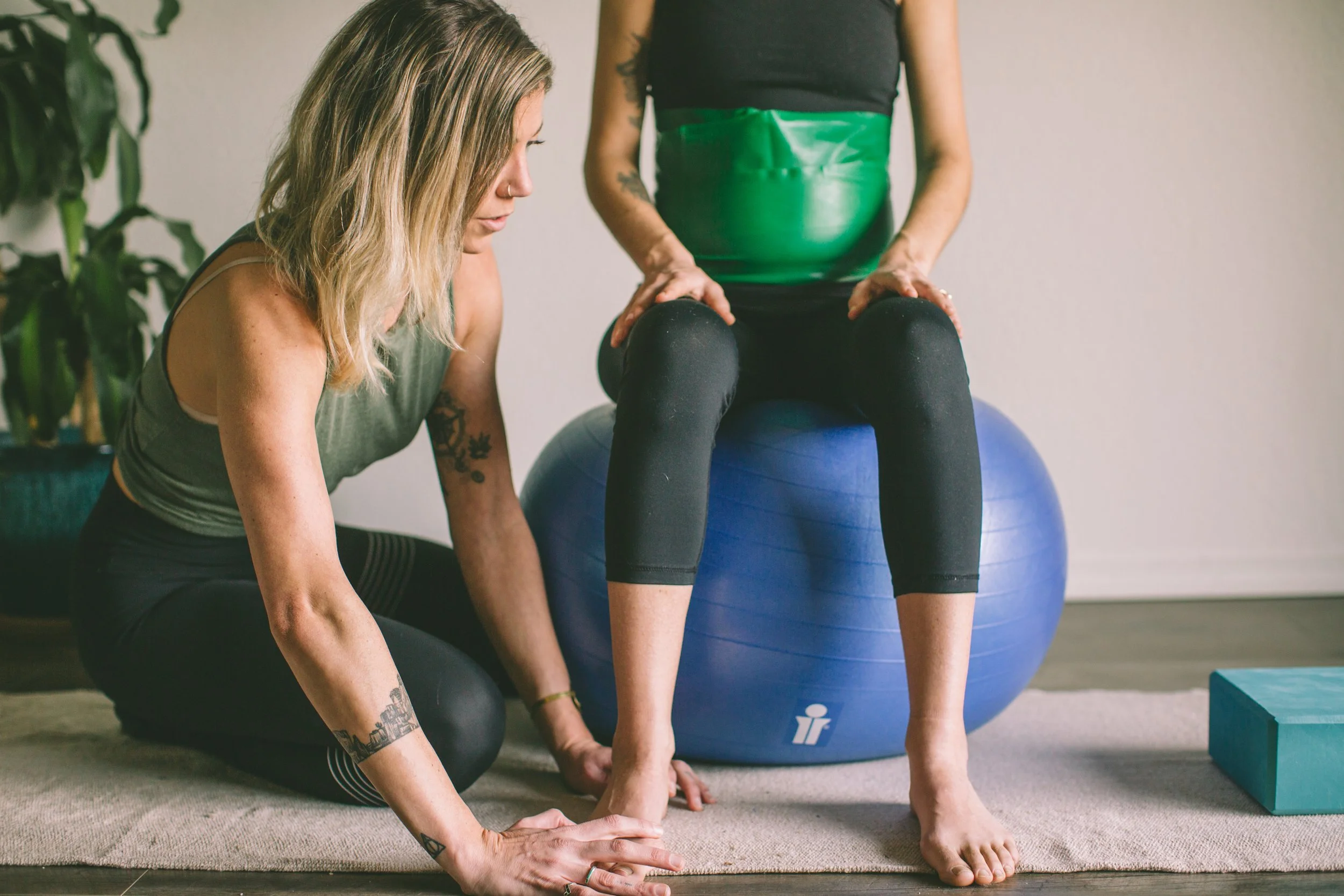
About THINK
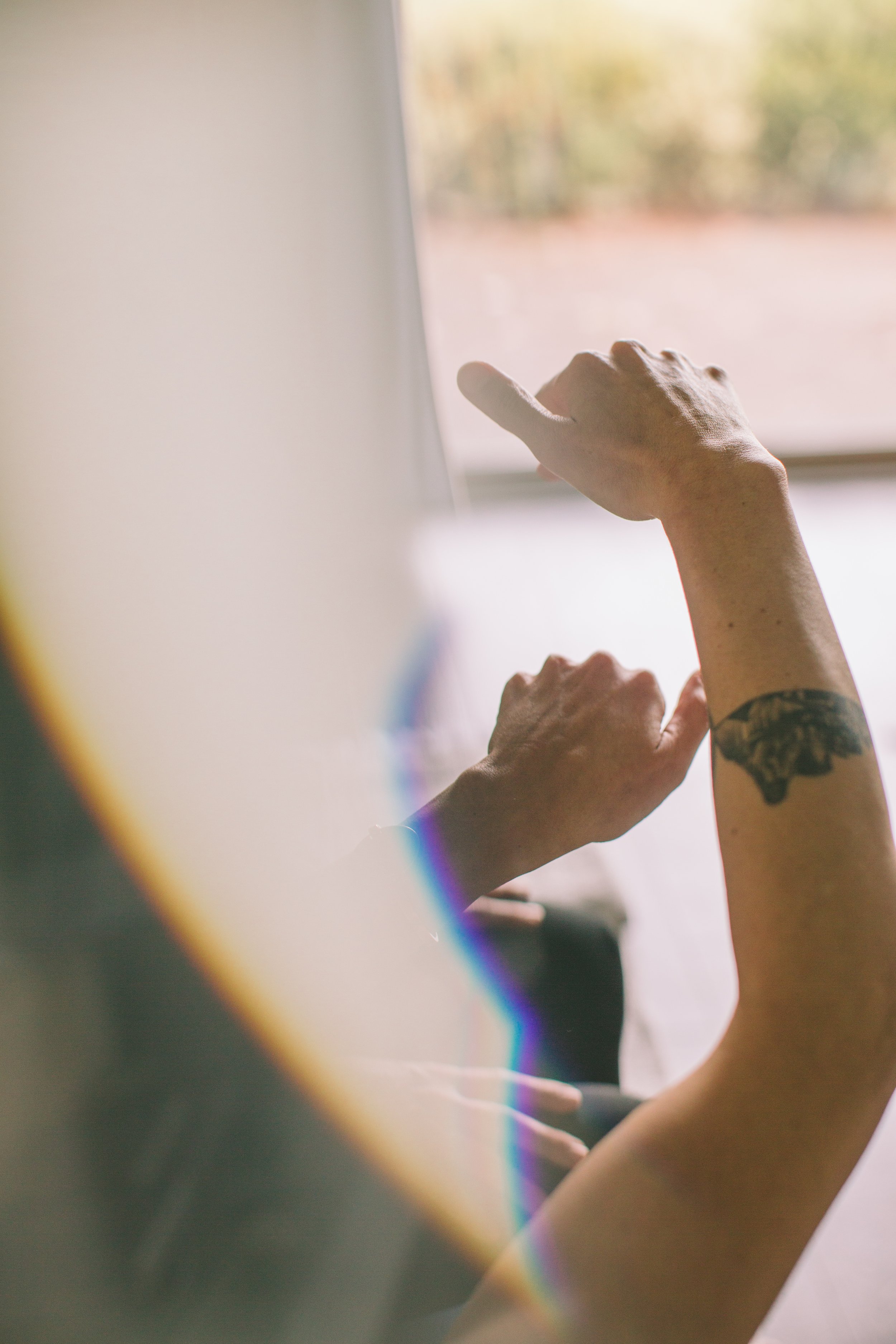
Our Philosophy:
What if your body isn’t something to fix, but something to understand?
The body is never static. It is constantly adapting to movement, environment, stress, injury, pregnancy, recovery, training, rest, and the ordinary demands of daily life. It adapts to what we ask of it, what we experience, and what we move through. The body you have today is not the body you had yesterday - and it will continue to change. What works beautifully one day may feel differently the next. A strategy that once helped may eventually become limiting. There is no single position, pattern, shape, or way of moving that will serve every body, every circumstance, or season of life.
This is why THINK isn’t about teaching you how your body should move. It’s about helping you understand how your body is moving now- and developing the awareness to adapt when what you need changes.
Because the more you understand, the more choices you have, the more capable you become of adapting when your body - and your life - changes.
The Body as a System:
The body is a system of relationships. Head, ribs, pelvis, feet, spine, breath, and the floor are all apart of the same conversation. Nothing exists in isolation. A limitation or sensation in one place can be shaped by what’s happening somewhere else. That’s why a session might begin with neck tension and lead somewhere else entirely expected. Movement gives us a way to explore those relationships - not to find one perfect alignment, but to understand what is happening and discover where there may be more support, efficiency, or choice.
How We Work:
We listen first.
Each session begins with where you are today-not where you were last week, before an injury, before pregnancy, or where you think you should be. We observe how your body organizes, supports, and moves as a whole, looking beyond the place that brought you in.
We explore rather than force.
A different cue, movement, breath pattern, touch, or point of attention can change what the body is able to access.
The question isn’t always “how do we fix this?”
Sometimes it’s, “What else is happening here?”
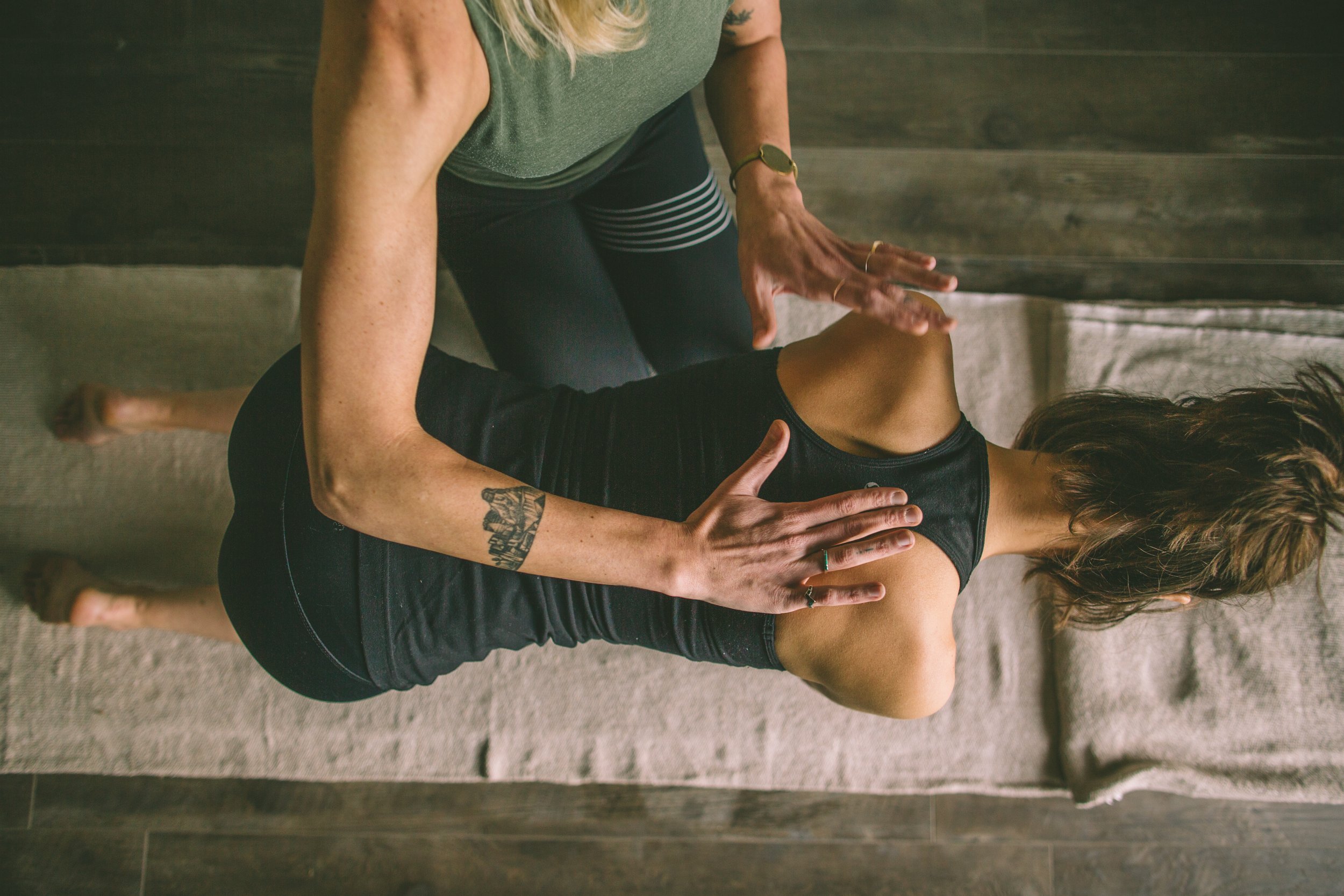
We work with the whole system.
Breath - Breath isn’t an accessory to movement. A full breath can change how we organize, support, and experience movement.
Core + Pelvic Floor - Rather than treating the core or pelvic floor as isolated muscles to “engage,” we explore how they.participate in whole-body movement and support.
Adaptation + Recovery - Injury, pregnancy, postpartum, and other periods of change aren’t interruptions to movement. They’re opportunities to understand what your body needs now and discover new ways forward.
Observation + Response- We pay attention to what changes with a different cue, movement, touch, or experience. The goals isn’t to force the body into a predetermined shape, but to find what helps it move with greater ease and possibility.
The goal is not perfection. It’s greater awareness. More ease. More options. A fuller breath. A more grounded step. A body that feels more connected and organized. The ability to notice something new and respond differently.
The more you understand your body, the more choices you have within it.
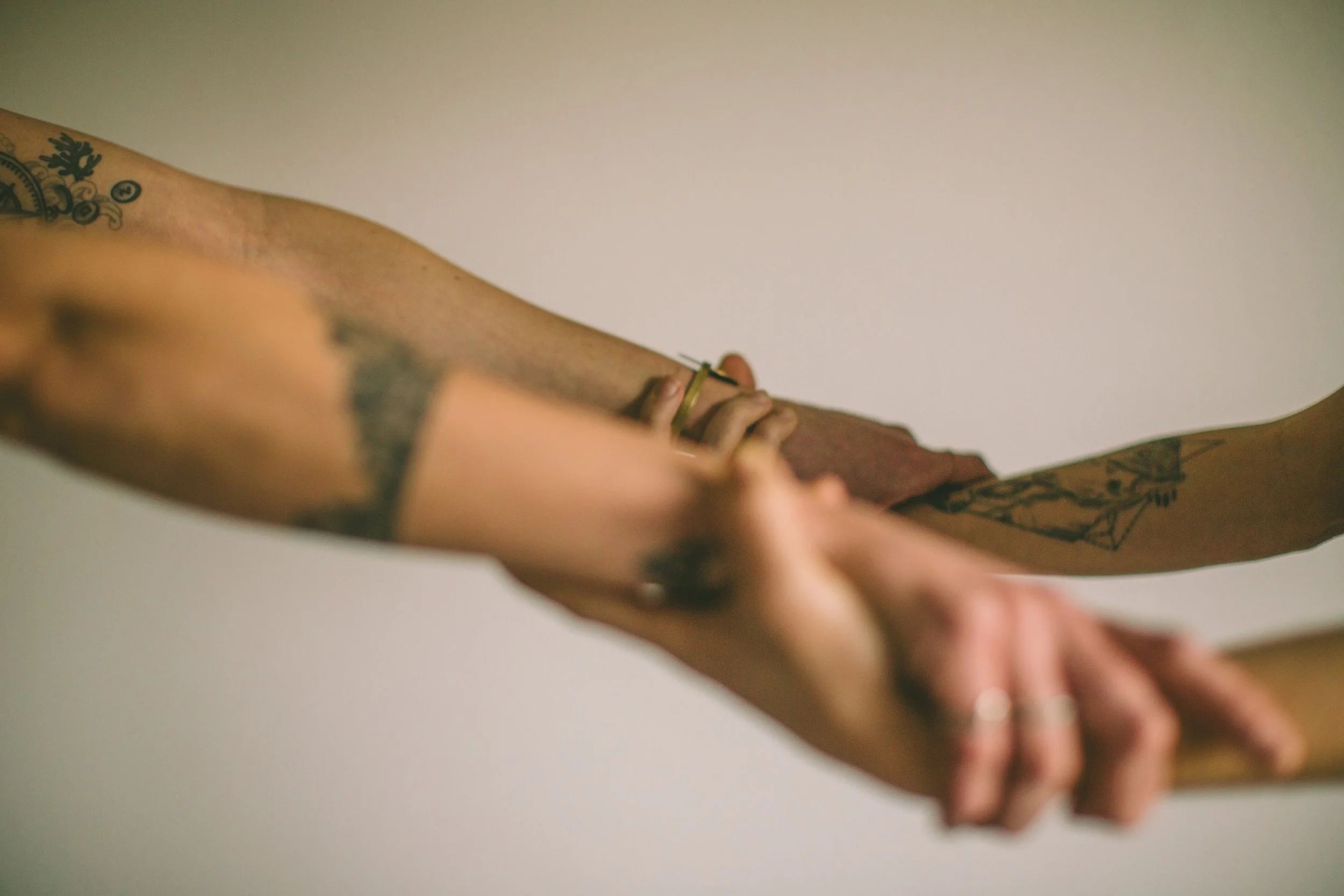
Our Story:
The body has always been my greatest teacher. Motherhood simply gave it a louder voice.
For years, I taught movement through the lens of what I had learned. But the longer I taught, the more I noticed that the most meaningful work often happened outside the exercise itself—in the moments when someone began to understand something about their own body. Every client has reinforced the same truth: our bodies are always communicating with us. They reveal where we’ve adapted, where we’ve protected ourselves, and where there’s opportunity to grow.
My own injuries, pregnancies, and experience of motherhood changed the way I understand that truth.
They taught me how much we rely on things we rarely think about—the ability to breathe fully, feel supported, and move with ease—and how much there is to learn when our access to those things changes. They taught me that recovery isn’t simply a period of waiting to return to “normal,” but a place where there can be possibility, adaptation, and a deeper understanding of the body. They taught me how quickly things can change when we stop moving, and how differently every body can tell a seemingly familiar story.
Motherhood also reminded me that strength isn’t measured by performance alone. It’s found in resilience, patience, adaptability, and the willingness to begin again.
That evolution eventually led me beyond thinking of myself simply as a Pilates teacher.
I am a movement educator. Pilates is one of the primary tools I use to teach—but the work is bigger than the method.
Meet Kit:
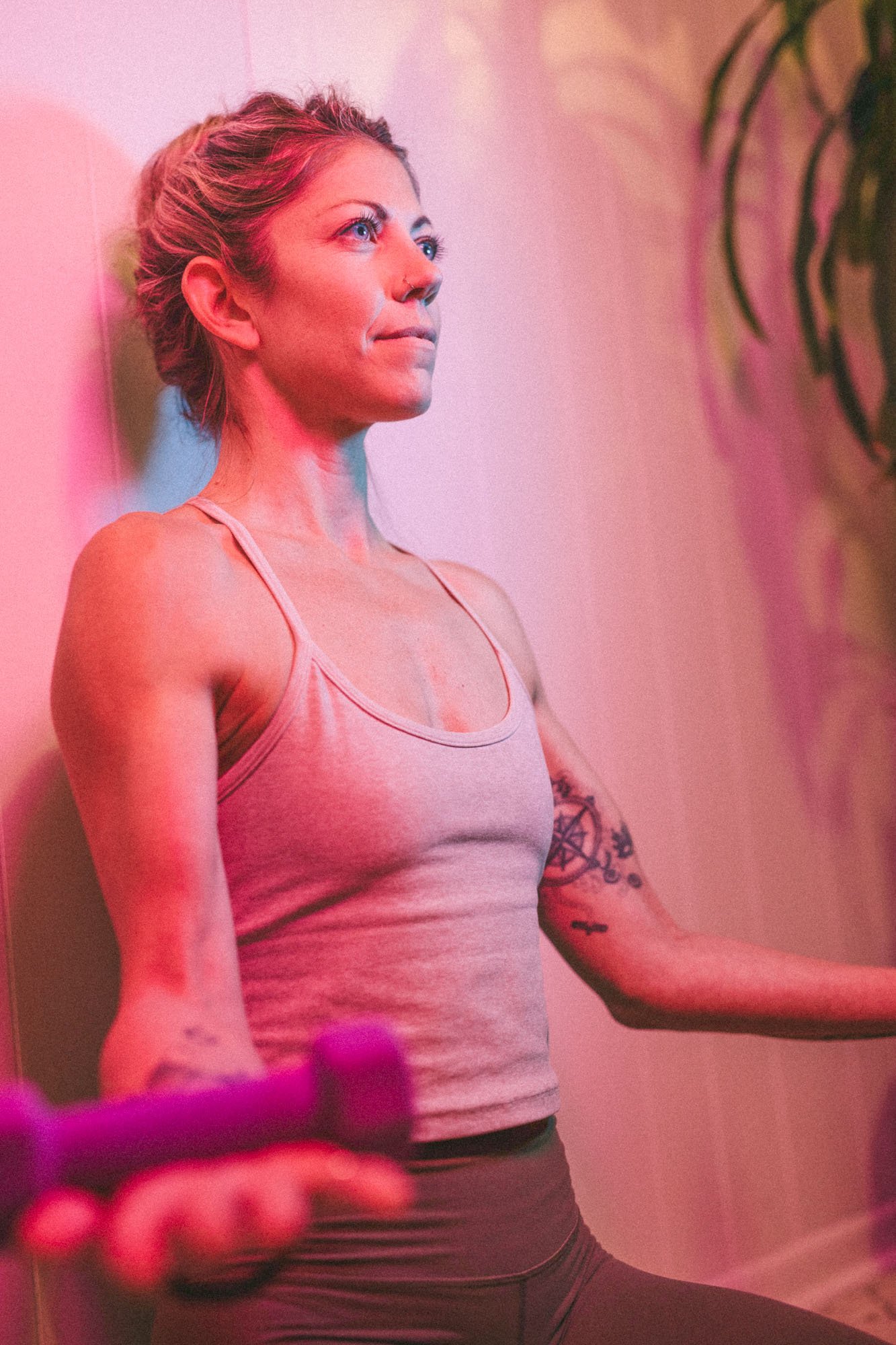
Kit McDaniel
Founder + Movement Educator
Movement has been part of my life for as long as I can remember. I came to it through dance, which taught me to notice detail, listen for nuance, and understand movement beyond what it looks like from the outside. It taught me to appreciate the body not simply as an instrument, but as a source of information—something to continually discover.
I grew up in Florida, where my relationship with nature shaped an early understanding of movement as something inseparable from our environment and sense of connection. I began teaching movement nearly two decades ago, and what started as a practice in teaching has grown into an ongoing exploration of how bodies organize, adapt, and communicate.
New York City has been home to my teaching practice for more than fifteen years. Working with people across different ages, bodies, injuries, abilities, pregnancies, and stages of life has continually expanded my understanding of what movement can do.
My own injuries, pregnancies, and experience of motherhood have been equally influential. Becoming a mother transformed the way I move, teach, and listen. It gave me a personal appreciation for the body’s resilience—and for how humbling it can be when something you once took for granted suddenly becomes difficult.
Those experiences changed the way I teach. I became less interested in whether someone could simply perform a movement and more interested in whether they could understand it, feel it, and make it their own.
Today, I work as a movement educator, using Pilates alongside a broader understanding of biomechanics, breath, anatomy, and whole-body movement to help people become more fluent in their own bodies.
My work spans private movement sessions, teacher education, workshops, wellness events, and continuing education for movement professionals.
Training + Certifications
Pilates · Yoga · Pre- & Postnatal Pilates · Pilates Doula · Functional Range Conditioning (FRC) · NLP · BFA Dance (FSU)
I still consider myself a student of movement. The more I learn, the more there is to notice.
And I think that’s where good teaching begins.


“Moving with Kit feels meditative. By the end of class, I feel like I’m not over-thinking things, my mind just feels connected to my body and space. I feel so much lighter! ”